Bring parking, permits, inspections, evidence and reporting into one practical council workflow.
Provider timing gaps
Session feeds can arrive from multiple providers with different sync timing, external references and validity windows.
Aero Ranger helps parking teams detect vehicles parked in paid zones without a valid app-provider or meter session by matching ANPR reads to imported session windows, zone scope, permit exceptions, evidence and case workflows.
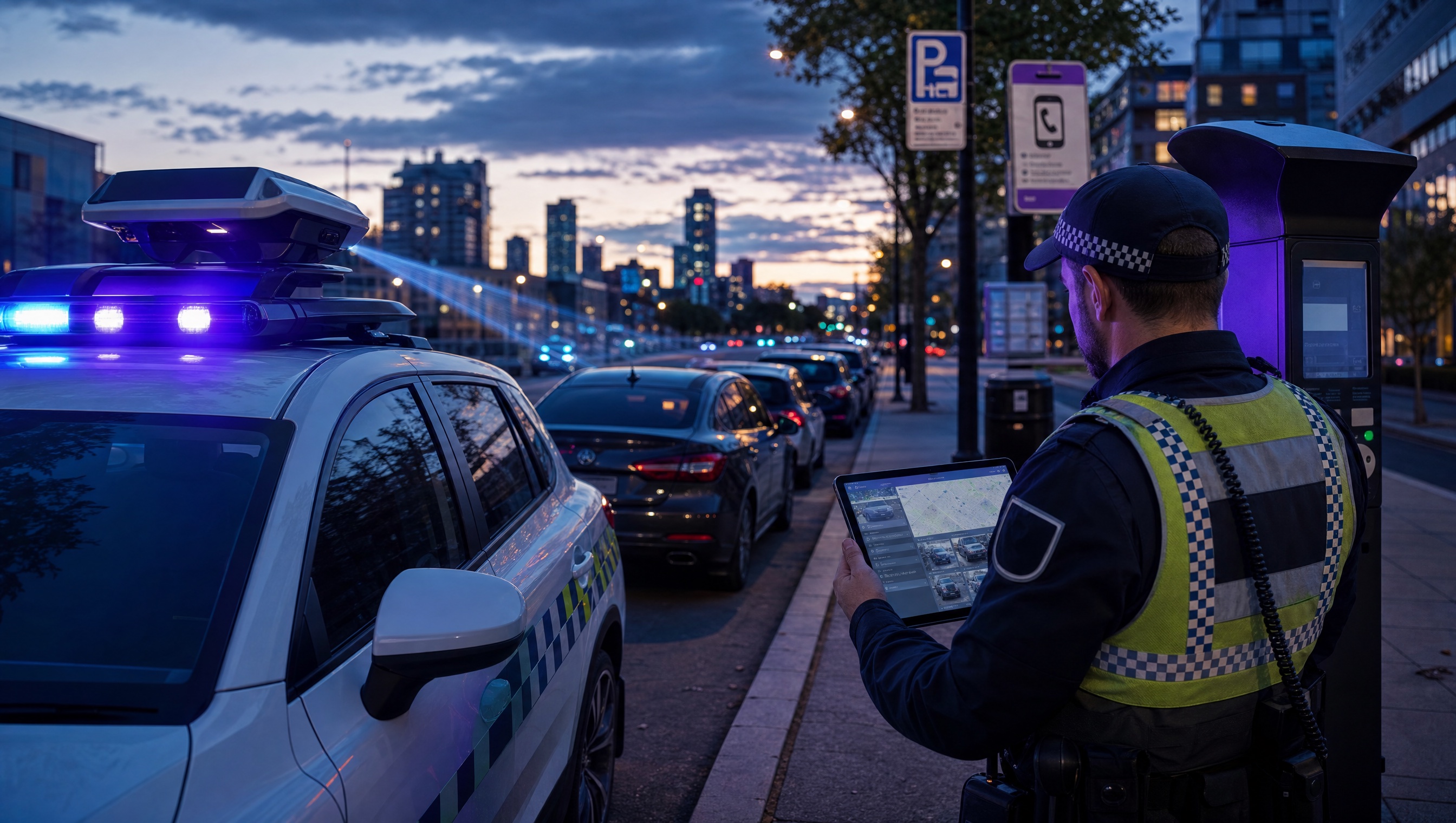
Paid parking teams often receive session data from app providers, meters and similar systems. The enforcement workflow needs to know whether a plate had an active paid session, whether that session covered the right zone, and whether a permit or exemption should suppress the decision.
Session feeds can arrive from multiple providers with different sync timing, external references and validity windows.
A paid session is only useful if it covers the same zone or meter area where the vehicle was detected.
Some vehicles should clear no-payment decisions because a valid permit or exemption applies instead of a short paid session.
A no-session matter needs more than a plate read: it needs the zone, time, provider check, sync status, images and offence mapping.
The useful question is not which feature exists. It is whether the team can see the place, rule, evidence, exception, next action and review history before making a decision.
Bring in short-term paid parking entitlements from app providers, meters and similar third-party systems.
Parking Sessions, integrations, provider external references, valid-from and valid-to windows.Use paid-parking zone configuration and provider zone scope so detections are evaluated only where payment is required.
Zones, paid parking flags, external IDs, zone scope, schedules and active profiles.Compare ANPR reads against active paid sessions and valid permits before surfacing a no-session or no-payment workflow.
ANPR reads, permit categories, session validity, provider windows and decision outcomes.Review provider sync status, schedule, record counts, duration and errors before relying on session data.
Configuration Integrations, sync history, status, records, schedule and errors.Attach plate reads, images, GPS, timestamps, provider context, officer notes and review status to a case.
Cases, inspections, evidence packages, audit history and status queues.Map no-payment or no-permit decisions to the correct local law, enforcement outcome and integration export path.
Parking Offence Mapping, Local Laws, Document Builder and enforcement exports.A no-session decision needs field context and provider context: the plate, zone, read time, provider validity window, external reference, permit exception and evidence record.
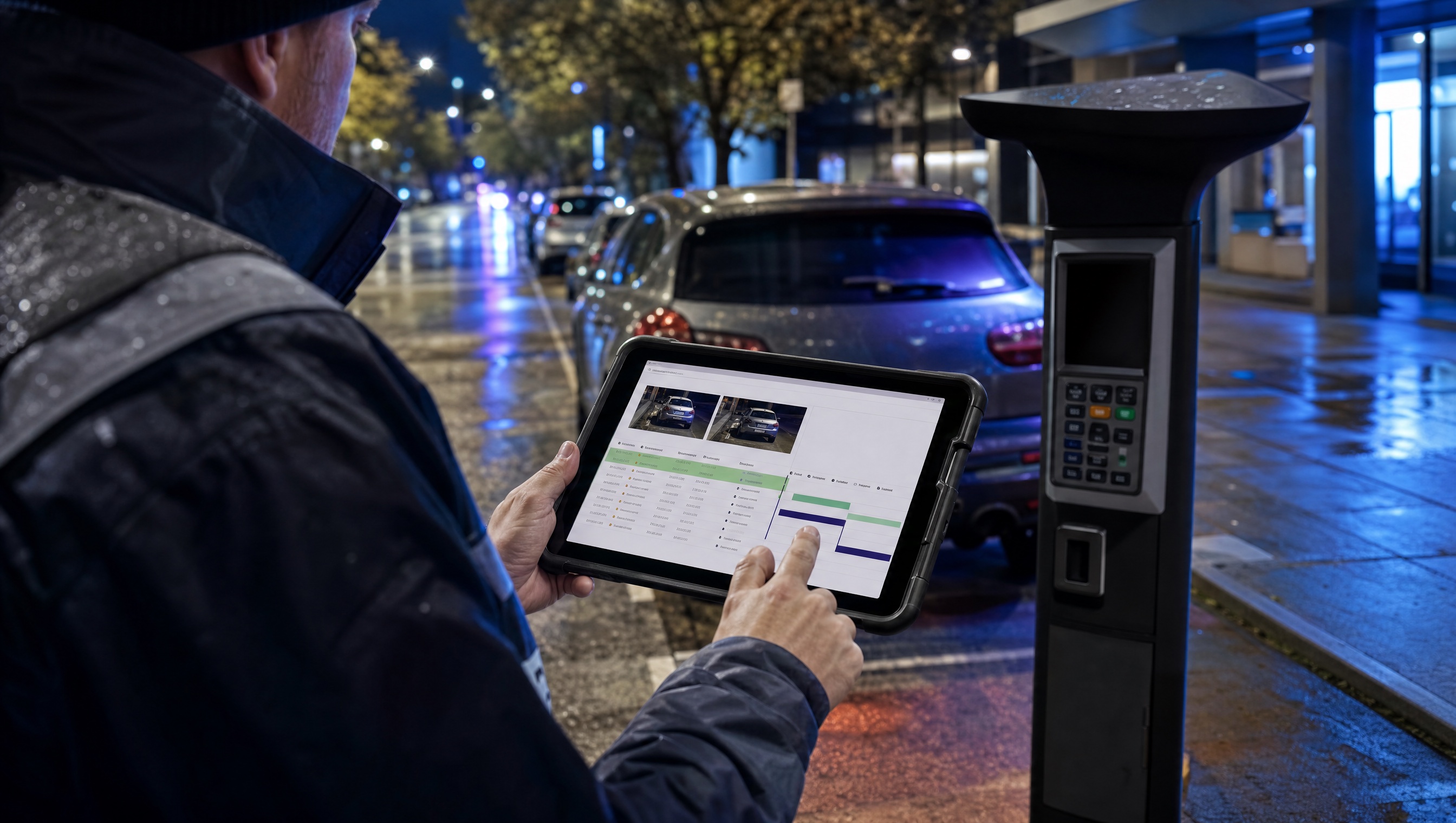
Import app-provider and meter sessions with plate, zone scope, validity window, integration and external reference.
Only evaluate no-session decisions where paid parking is active and the vehicle read belongs to the right zone.
Hold evidence, sync history, permit exceptions, offence mapping and case actions together for review.
A no-payment review keeps the ANPR read, paid-zone rule, provider lookup and permit exception result together.
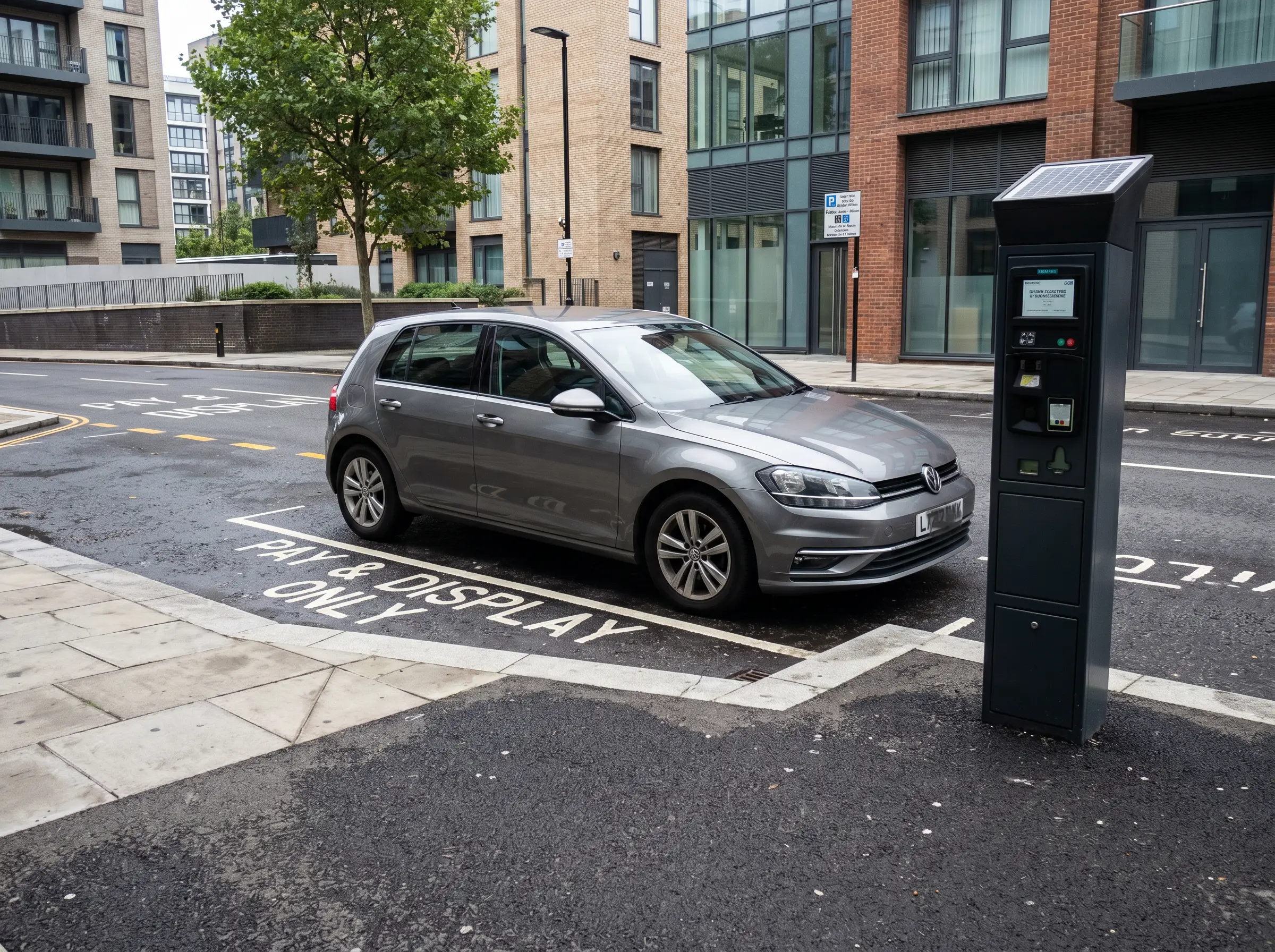 No active app or meter session found
13:02 · Paid street bay
No active app or meter session found
13:02 · Paid street bay
No active paid session or valid exemption during tariff hours
Aero Ranger keeps the issue photos, place context, rule context and follow-up state together so the case can be checked later without rebuilding the record.
The issue photo stays on PAY-88310 with the case note and current case status.
Site, street, reserve, bay, kerbside or zone context stays attached so reviewers can see where the issue occurred.
The relevant signage, permit condition, local-law category or operating rule is recorded beside the issue evidence.
Later photos, reinspection notes, notice evidence and closure decisions remain in the same case trail.
No-active-session work is a reconciliation problem. The patrol read has to be compared with app, meter, permit and grace-period data before council can be confident the vehicle had no valid session.
Confirm the zone, tariff window, bay or street segment and whether the vehicle was captured during an active paid-parking period.
Compare app and meter sessions, permits, free periods, grace periods, provider sync status and any outage or manual exception notes.
Issue, close, hold for provider review or report a data-sync issue, while keeping the evidence and lookup result together.
Rego, paid parking zone, bay or street segment, observation time, patrol source and active tariff window.
App provider session, meter session, payment window, expiry, provider reference and sync status.
Valid permit, free period, grace period, special vehicle, provider outage or manual officer override.
Plate read, photo, location, timestamp, session lookup result and notes explaining why the matter was issued or closed.
Review, issue, close, flag provider sync issue, export notice data and report no-payment patterns by zone.
Teams can pilot a meter zone or app-provider integration, validate session sync quality and then expand across paid streets, off-street car parks and visitor precincts.
Import sessions from app providers, meters or similar systems and monitor sync status.
Set paid-parking zone scope, external IDs, schedules and active profiles.
Record plate, time, location, zone and vehicle evidence during normal patrols or fixed-camera capture.
Compare the read against active session windows, provider references, permits and exemptions.
Map the decision to the right offence, attach evidence and generate notices or exports from the case.
Once zone scope, provider sessions and evidence workflows are reliable, the same platform pattern supports overstay, permit exceptions and repeat payment issues.
Use zone rules and dwell logic when a vehicle has stayed beyond the paid or timed limit.
Use permit categories and active hours when access is authorised by a permit instead of a session.
Use longer dwell and case workflows for vehicles that remain in place beyond normal parking behaviour.
Track hotspot zones, provider sync quality, repeat vehicles and enforcement outcomes.
Use these CORE guides when setting up the zones, cases, permits, evidence templates, notices and reports that support this operating model.
Review imported pay-by-app and meter sessions, validity windows, provider references and status.
Open guide ->Configure paid parking zones, external IDs, provider zone scope and active profiles.
Open guide ->Review provider sync status, schedule, record counts, duration and errors.
Open guide ->Understand when a permit clears payment requirements or provides an exemption.
Open guide ->Map no-payment and no-permit decisions to the correct local law or enforcement outcome.
Open guide ->Review no-session matters with evidence, statuses, tasks and audit history.
Open guide ->Share the short brochure with stakeholders, then use the procurement guide to frame requirements, governance, rollout and evaluation.
A client-ready summary of the operating problem, the workflow, and how Aero Ranger helps council teams manage it.
Open brochure - PDFA practical buying guide for requirements, evidence, local-law setup, integrations, governance and pilot planning.
Open guide - PDFBring a real paid parking zone and we will walk from ANPR read to session match, provider sync check, evidence capture, case review and notice generation.

