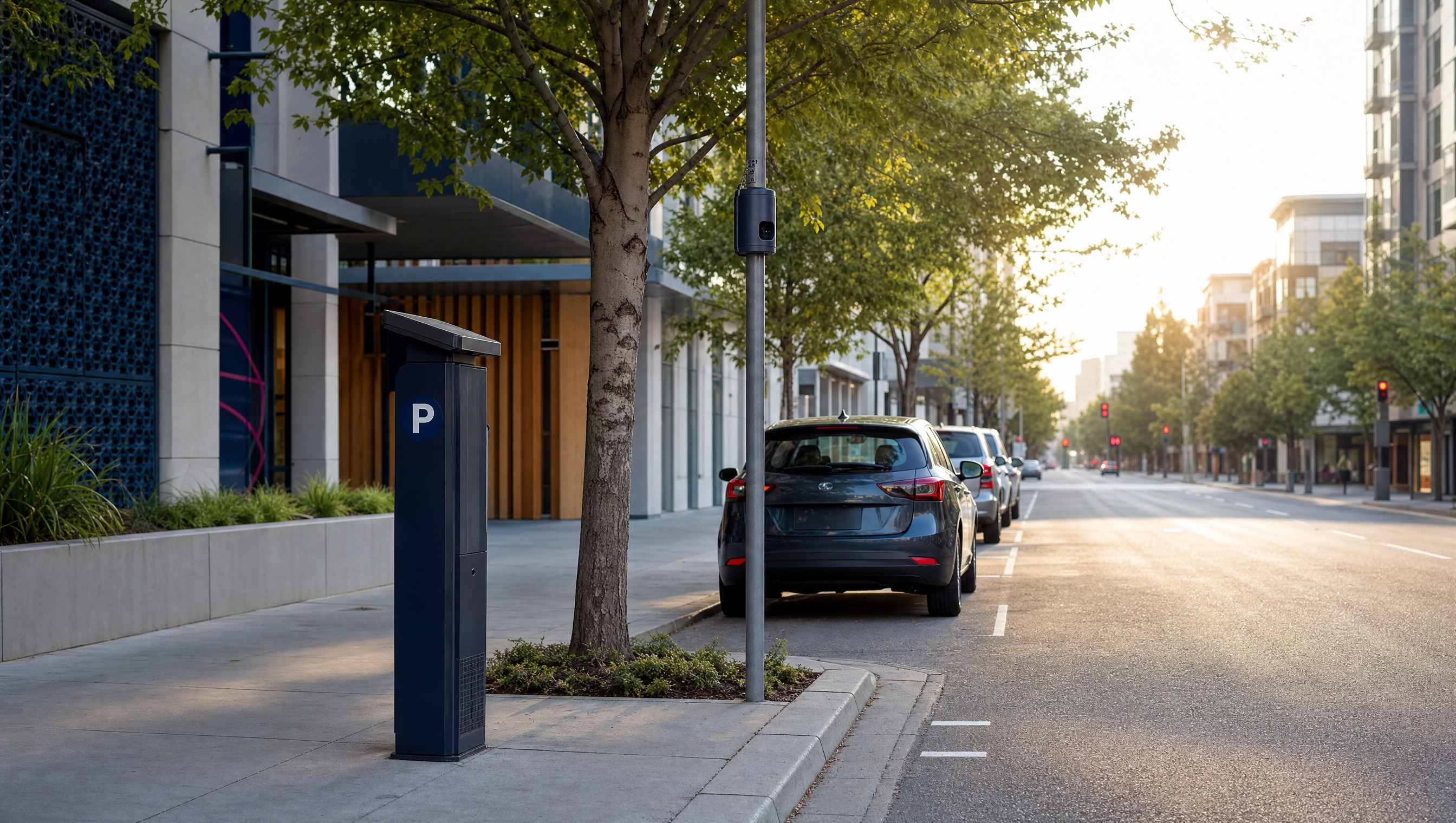
Gloucester, United Kingdom - AOL, carrying BBC Gloucestershire reporting, said ANPR cameras have gone live on Gloucester's gate streets to prevent illegal parking and evening through-traffic.
What was reported
AOL published BBC Gloucestershire reporting on 1 June 2026 about Automatic Number Plate Recognition cameras going live on Gloucester's gate streets. The report says the cameras are being used to reduce illegal parking and stop the streets being used as evening through-routes in the city centre.
The article says the camera program followed an earlier trial that began in January and is now becoming permanent. It also notes a staged enforcement approach: for the first six months at each location, drivers committing an offence receive a warning letter before penalties are issued for continued offences.
Why the warning period matters
The warning-letter period is more than a public-relations detail. It is a workflow design choice. It gives the council time to test signage, operating hours, vehicle matching, review queues, exception handling and public communication before the program moves into full penalty issue.
For reviewers, that means the system should distinguish a warning from a live penalty, keep the relevant location and time window visible, and record whether a later event is a repeat matter or a first observation at a different gate street. Without those details, the six-month transition can become hard to explain.
Loading windows create operational complexity
The report also says loading times for city-centre businesses changed, with previous loading permitted between 17:00 and 10:00 and new loading windows of 08:00 to 10:00 and 17:00 to 18:00. That is exactly the kind of detail that can make or break an ANPR-backed parking workflow.
A vehicle seen in a restricted street is not automatically the whole story. The review may need to know whether the vehicle was loading, whether the observation occurred inside a valid window, whether a permit or exemption applies, and whether nearby businesses have practical access needs. Those fields should be part of the case context, not something a reviewer reconstructs from separate notes.
What councils can take from it
The Gloucester example shows why camera-backed parking enforcement needs more than a device rollout. It needs clear location rules, time-based conditions, warning and penalty stages, readable evidence, repeat-event handling, business loading context and reporting that shows how the program is behaving during the transition.
For Australian and New Zealand councils considering similar city-centre access controls, the practical lesson is to model the full operating loop before the cameras become business as usual. Capture, match, review, warn, issue, appeal, report and adjust should be visible as connected steps, especially where access rules affect residents, traders, visitors and delivery vehicles differently.
Related reading
Source
This article is based on AOL's syndication of BBC Gloucestershire reporting published on 1 June 2026. AOL / BBC Gloucestershire